
- Reliance on off-label symptomatic treatments such as muscle relaxants (e.g., eperisone), magnesium, calcium, vitamins, and traditional herbal medicines for symptom relief
ABOUT US
COMMUNITY


PIPELINE>Fisrt in class
Fisrt in class

BICHEDAM’s Innovative Pipeline
BICHEDAM's BCD101
BICHEDAM’s core asset, BCD101, is an oral drug candidate that overcomes the low bioavailability and poor solubility of Puerarin through proprietary formulation optimization technology.
Following the successful completion of a Phase 1 clinical trial in healthy adults, BCD101 demonstrated favorable safety, tolerability, and predictable pharmacokinetic (PK) profiles. BICHEDAM has also established a global patent portfolio and a GMP-based quality management system for consistent product quality.
BCD101
BCD101 is a next-generation RhoA/ROCK pathway modulator designed to address the underlying causes of age-related vascular and muscle stiffness.
By selectively inhibiting excessive RhoA/ROCK signaling, BCD101 improves peripheral microcirculation and regulates excessive cellular contraction and abnormal muscle stiffness at its source.
Through a multi-target mechanism involving NO/eNOS activation and PI3K/Akt pathway modulation, BCD101 protects vascular endothelial function while simultaneously reducing oxidative stress and inflammation and providing neuroprotective effects.
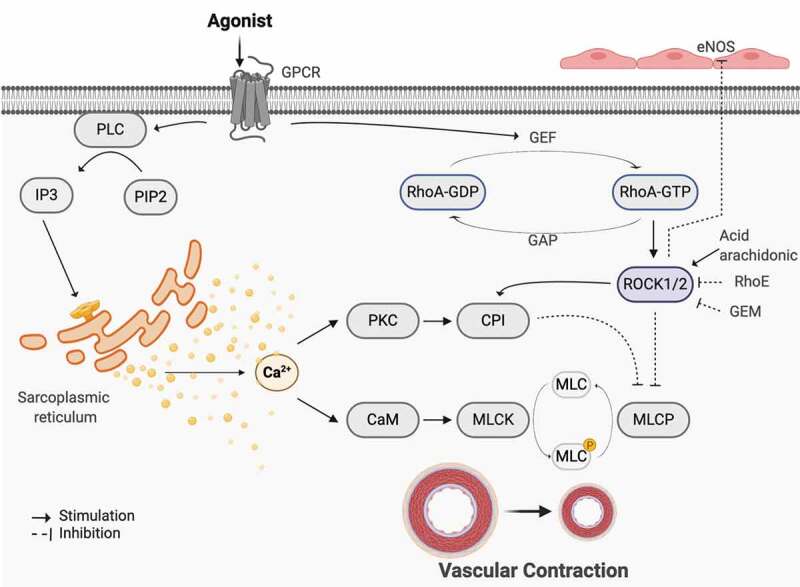

- BCD101, the key ingredient in “G Care,” is a Puerarin-based ingredient independently developed by BICHEDAM. Its efficacy in alleviating Nocturnal Leg Cramps and improving circulation has been scientifically validated through preclinical studies and multicenter human clinical trials.
- BICHEDAM has secured domestic and U.S. patents, including U.S. Patent No. 12,329,798 B2, as well as a foundational patent for enhancing the oral bioavailability of Puerarin (Korean Patent No. 10-2026-0076265), establishing global technological exclusivity and credibility.


Nocturnal leg cramps, NLC
Nocturnal Leg Cramps (NLC) are involuntary muscle contractions that occur during sleep, causing sudden and severe pain in the calf and other peripheral muscles. Affecting 50–60% of adults at least once in their lifetime, NLC is particularly common among older adults, with 6–15% of those aged 60 and above experiencing recurrent episodes several times a week.
Current Treatment Status
- Long-term off-label use of muscle relaxants and anticonvulsants may increase the risk of falls, excessive sedation, and cognitive impairment in older patients
- Insufficient evidence for the efficacy of commonly used supplements such as magnesium in preventing NLC among older adults
- A strong unmet need for a mechanism-based oral treatment that physicians and patients can trust and safely use on a long-term basis in outpatient and home settings
NLC, first in class
- Standard Treatment Gap
No approved standard oral prescription therapy for NLC as a first-line indication in global markets
- Limits of Existing Drug Development
Previous approaches, including TRP ion channel modulators, failed to demonstrate clinical efficacy, leaving an unmet treatment need
- Quinine Regulationn
Due to Serious Side Effects
Quinine approval was discontinued by the FDA and global regulators due to serious adverse effects, including arrhythmia and thrombocytopenia
- BCD101’s Differentiated Position
BCD101 is a First-in-Class RhoA/ROCK-targeted NLC therapy with Phase 1 completed and favorable safety and tolerability demonstrated

© 2025 BICHEDAM. All Rights Reserved.